vmware cloud foundation
-
A VCF 9.1 lab experiment with separate AI architect and implementation agents, exploring how agentic workflows handle design, implementation, real infrastructure constraints, and feedback between roles.
-
VCF Automation 9.1 supports both multiple external connections on a single Transit Gateway and multiple Transit Gateways within the same organization. This article explains when to use each pattern and how they affect VPC connectivity design.
-
In my VCF 9.1.0 lab, a DNS failure prevented the injected Vault Agent image from being pulled into a VKS cluster. I worked around it by redirecting the image reference to the same digest in the existing Regional Harbor depot.
-
I tested vSphere Supervisor backup and restore in my VCF 9.1 lab, including what happened after deleting a Namespace and adding a VKS node volume after backup. Here is what vCenter rebuilt, how the VKS clusters were affected, and why their workloads and persistent data still need separate backups.
-
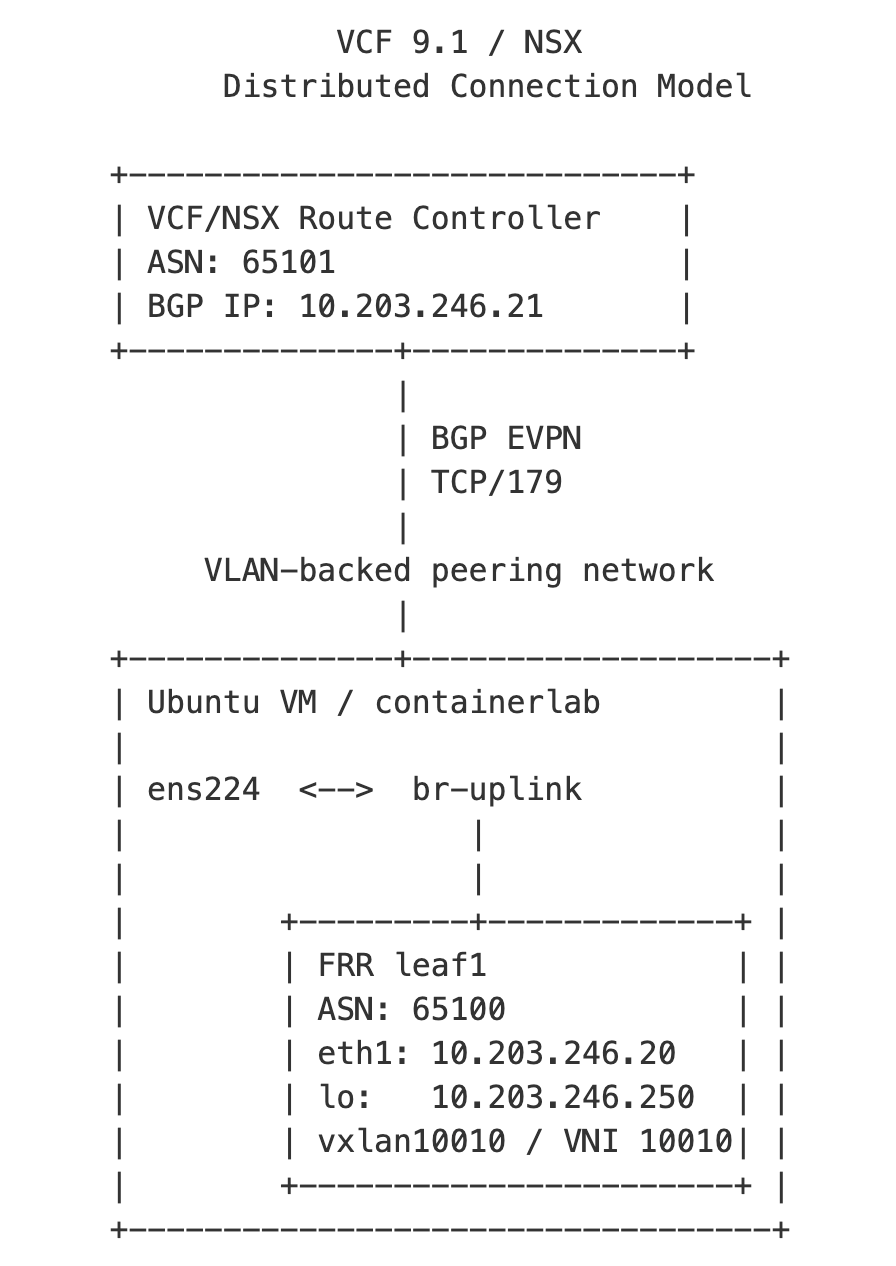
A small lab using containerlab and FRR to test the VCF 9.1 distributed connection model with BGP EVPN over VXLAN, focusing on Route Controller peering and control-plane visibility before testing against a physical EVPN fabric.
-
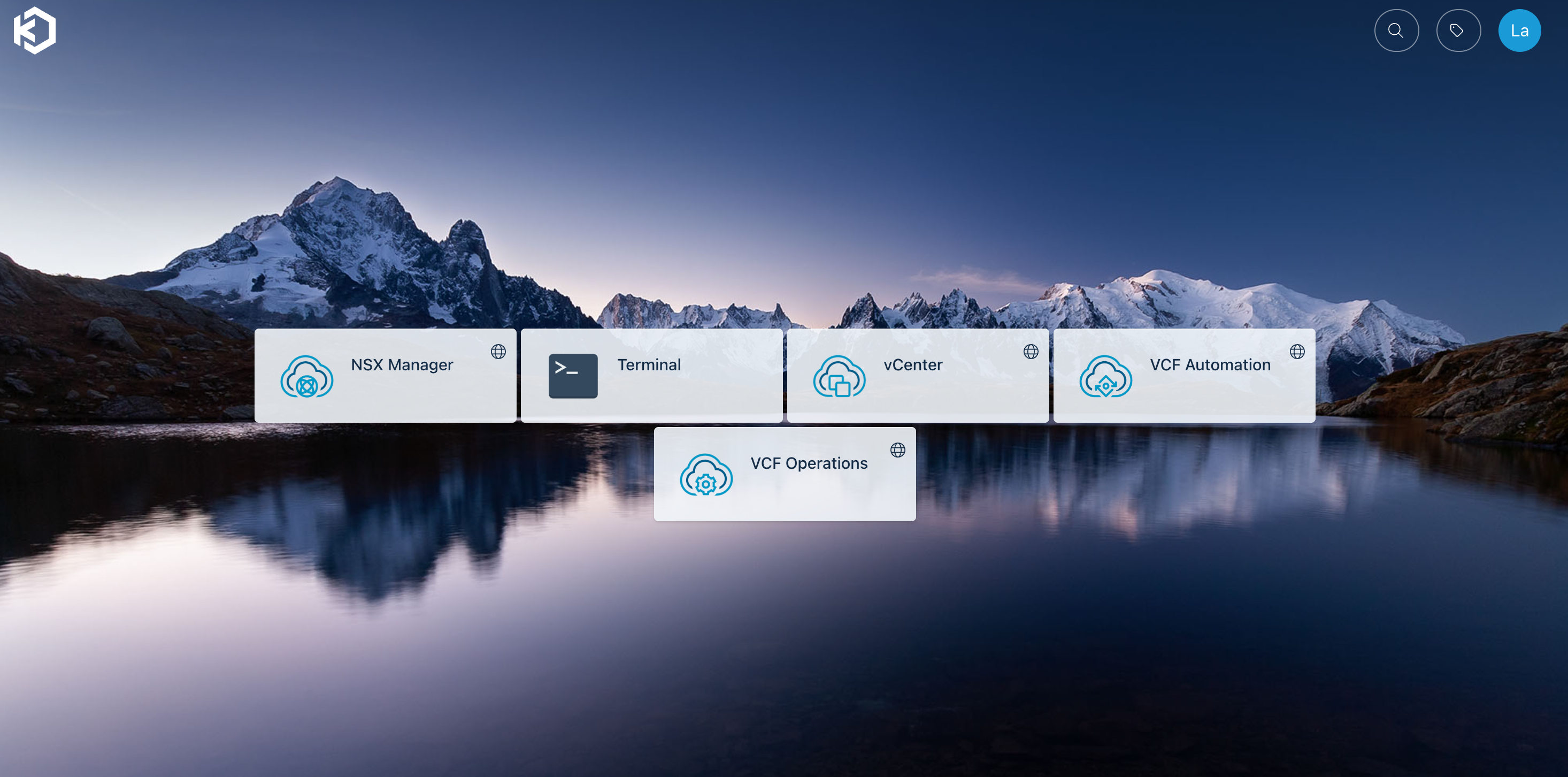
Using Kasm as a browser-based access layer in front of a VCF lab turned out to be a useful pattern. With Keycloak providing authentication for both Kasm and VCF SSO, the lab gets a cleaner access flow without exposing every VCF administrative interface directly to my workstation.
-
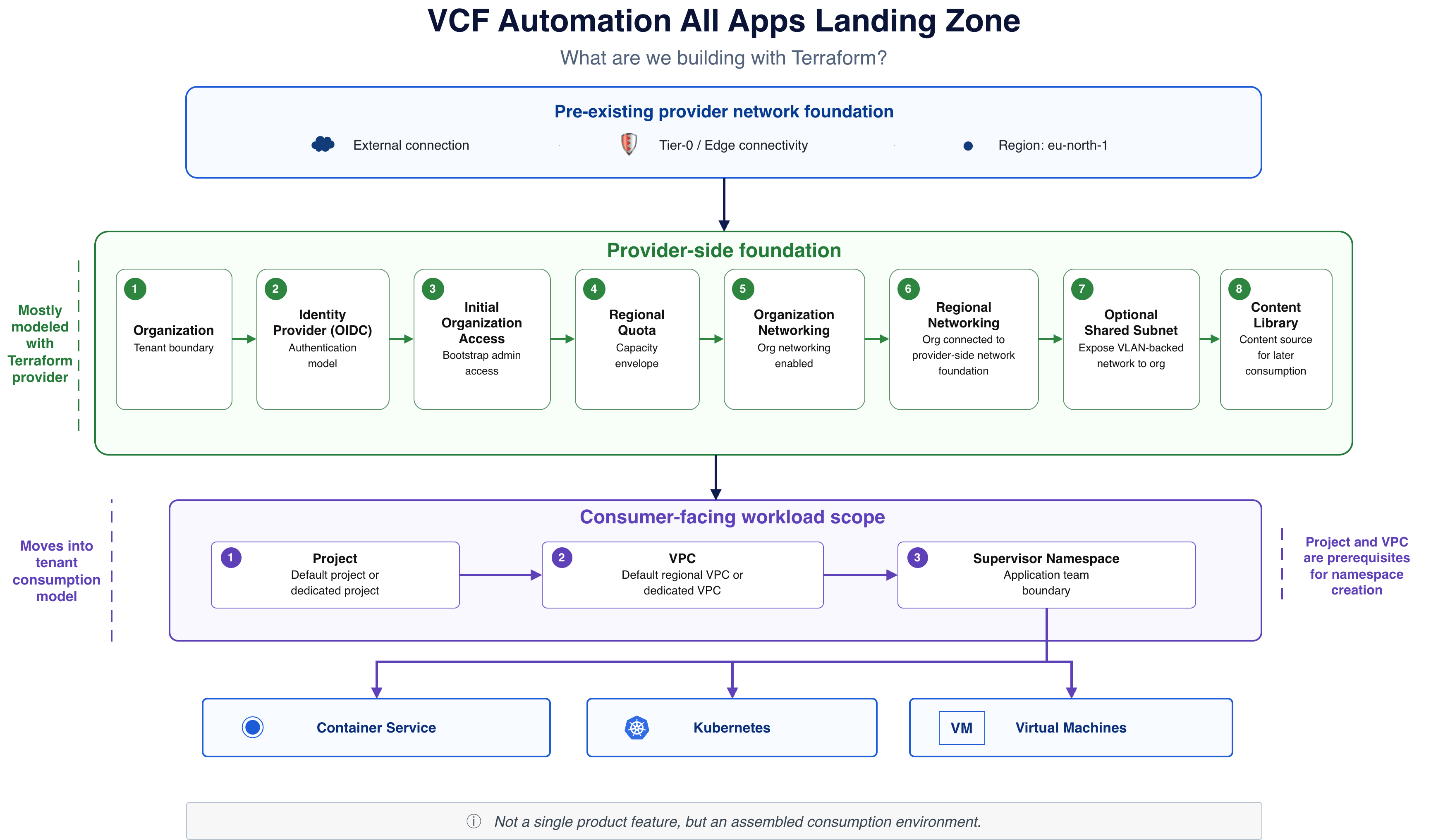
Terraform can describe parts of a VCF Automation 9.1 All Apps landing zone, but not the full model end to end. In this post I walk through the first layers of the landing zone foundation, including organization creation, identity provider configuration, quota, networking, content library and namespace consumption, while also calling out where the current…
-
I wanted to test organization-level OIDC authentication in VCF Automation 9.1 using Keycloak from my Provider Box setup. It worked in the end, but a few small details around group claims and claims mapping were easy to miss.
-
Self-service without guardrails is just delegated infrastructure access with a nicer interface. In this post I look at guardrails in the VCF Automation 9.1 All Apps model, and how organizations, quotas, namespaces, networking, policies, and extensibility work together to make private cloud consumption safer and more repeatable.